Inductor Q Factor and Self-Resonant Frequency Explained
Q factor shows how lossy an inductor is at a given frequency, and self-resonant frequency shows where it stops being an inductor. Here is…


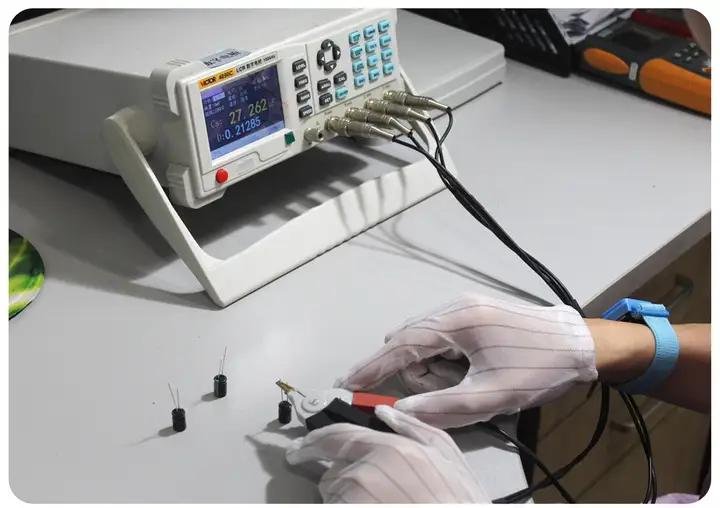
Q factor shows how lossy an inductor is at a given frequency, and self-resonant frequency shows where it stops being an inductor. Here is…

Inductors rarely fail without a cause. This guide covers the thermal, magnetic, electrical and mechanical failure mechanisms and the design and sourcing steps that…
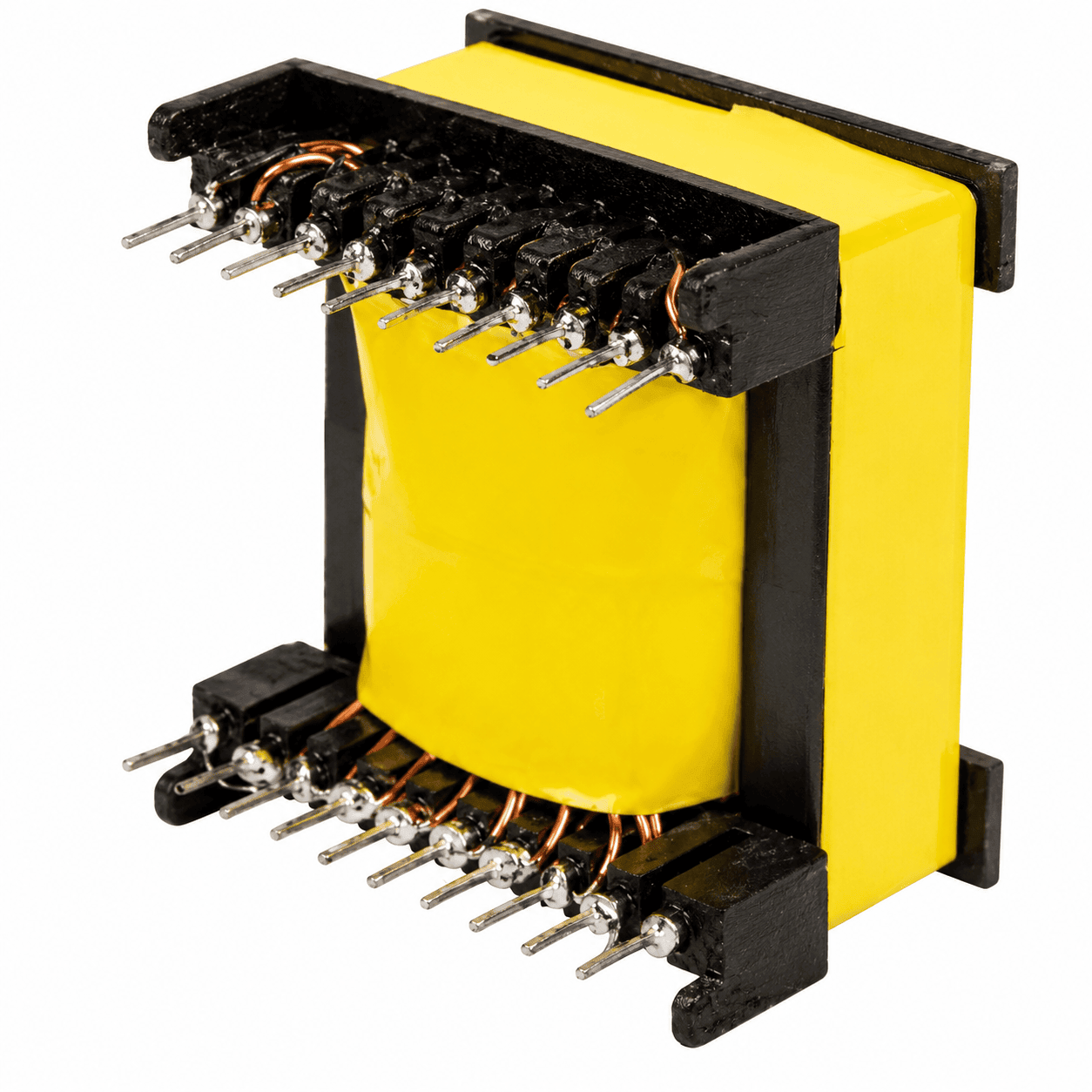
A fraction of a millimetre of air in a ferrite core decides how much current an inductor can carry. This guide explains what the…

An LCR meter gives a number in seconds, but only the right settings make that number meaningful. Follow this bench procedure to get readings…

Inductor datasheets look simple, but the test conditions behind each number decide whether a part suits your circuit. Here is how to interpret every…

Core loss is the heat generated inside the magnetic material itself. Understand hysteresis and eddy current losses, what drives them and how material choice…


These products are limited, checkout within

Smart configuration workspace setup.


