LLC Resonant Transformer Basics: How It Works, What to Specify
How an LLC resonant transformer works inside the resonant tank, why its magnetising and leakage inductances are design targets, and what to put in…


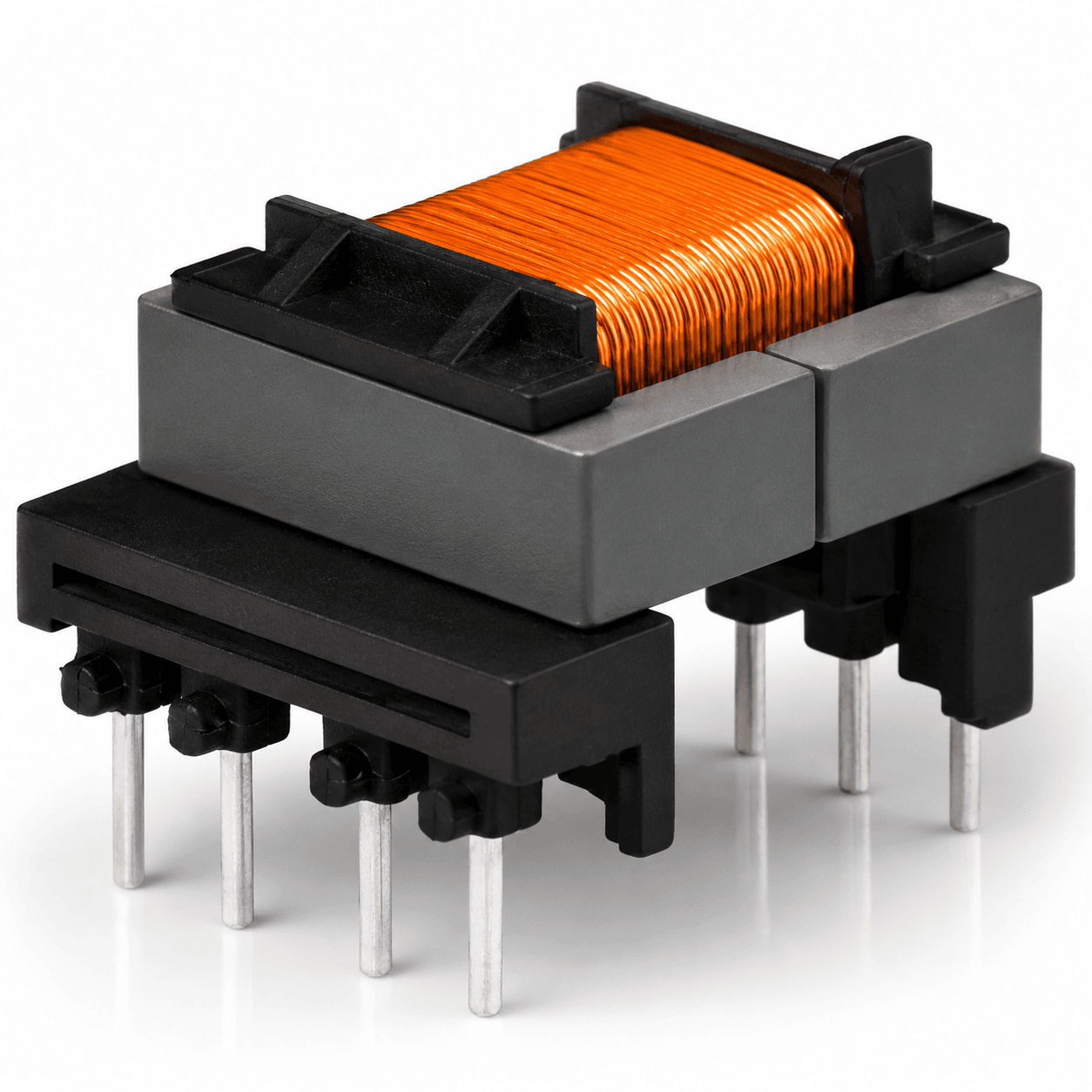
How an LLC resonant transformer works inside the resonant tank, why its magnetising and leakage inductances are design targets, and what to put in…
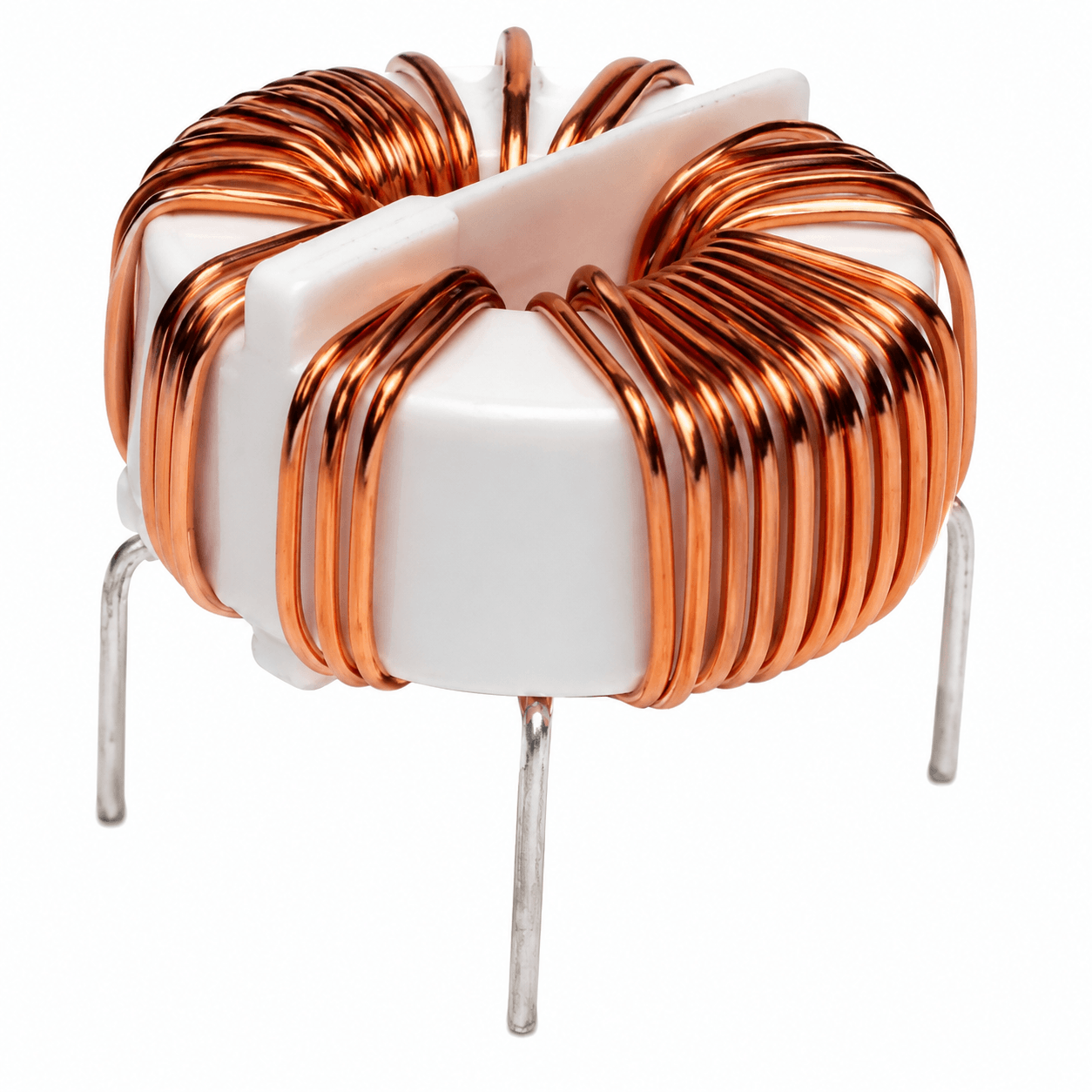
Why common mode chokes have leakage inductance, how it filters differential mode noise, why it can saturate the core, and how winding style controls…
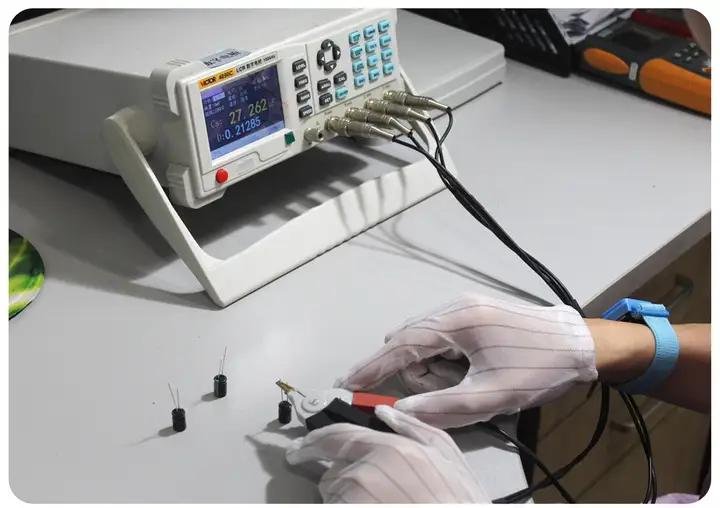
Q factor shows how lossy an inductor is at a given frequency, and self-resonant frequency shows where it stops being an inductor. Here is…

A structured way to evaluate a supplier of inductors, chokes and transformers: capability, engineering support, test coverage, traceability and commercial terms.
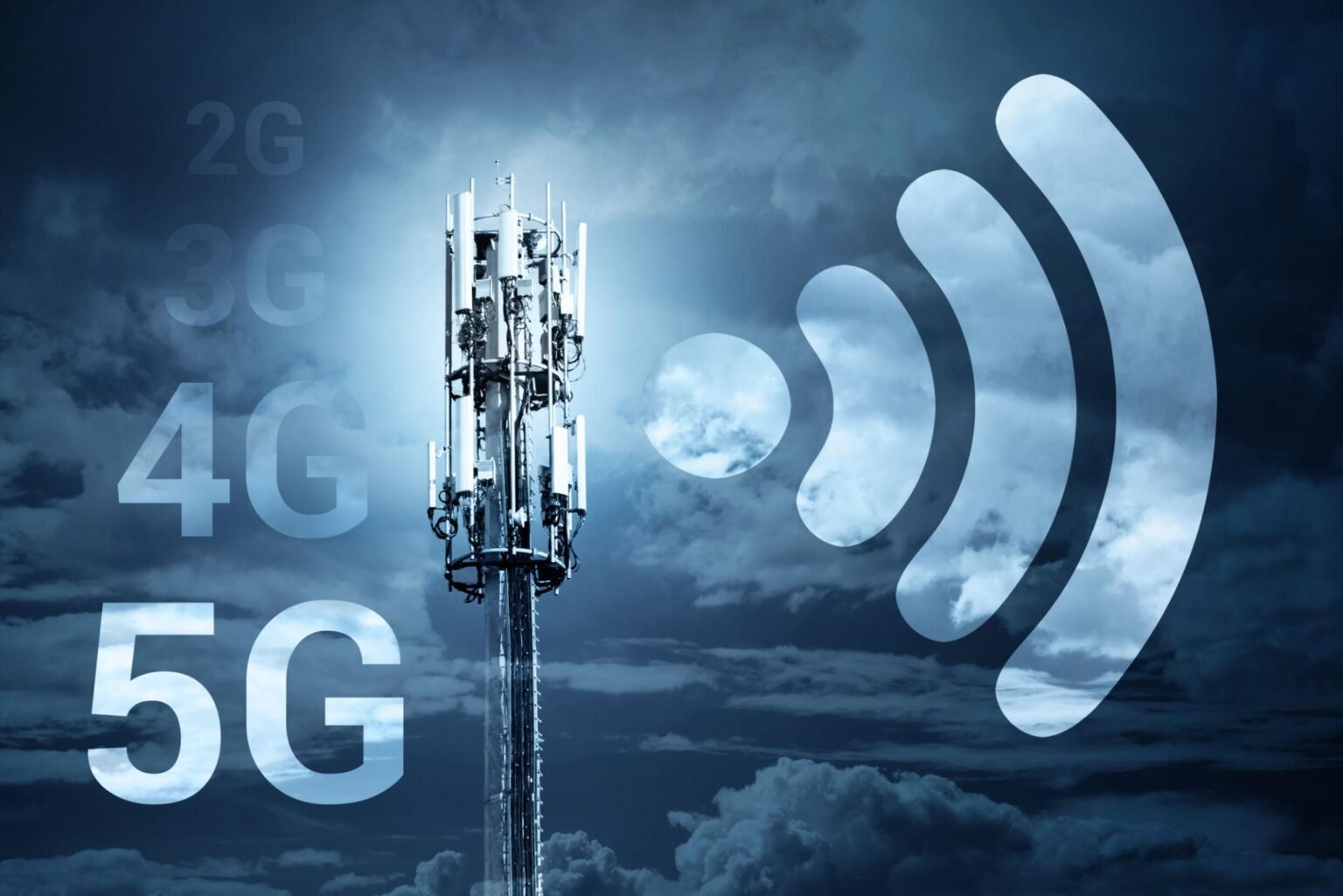
The transformers, inductors and chokes in a telecom power chain, from the 48 V rectifier to point-of-load converters, and what each must deliver.

Where the heat in a high-frequency transformer comes from: core loss, skin and proximity effects, fringing and leakage, and the design steps that reduce…

A practical route to passing conducted emissions: what the standards ask for, how to run a pre-compliance scan, and which fix suits each part…

Inductors rarely fail without a cause. This guide covers the thermal, magnetic, electrical and mechanical failure mechanisms and the design and sourcing steps that…
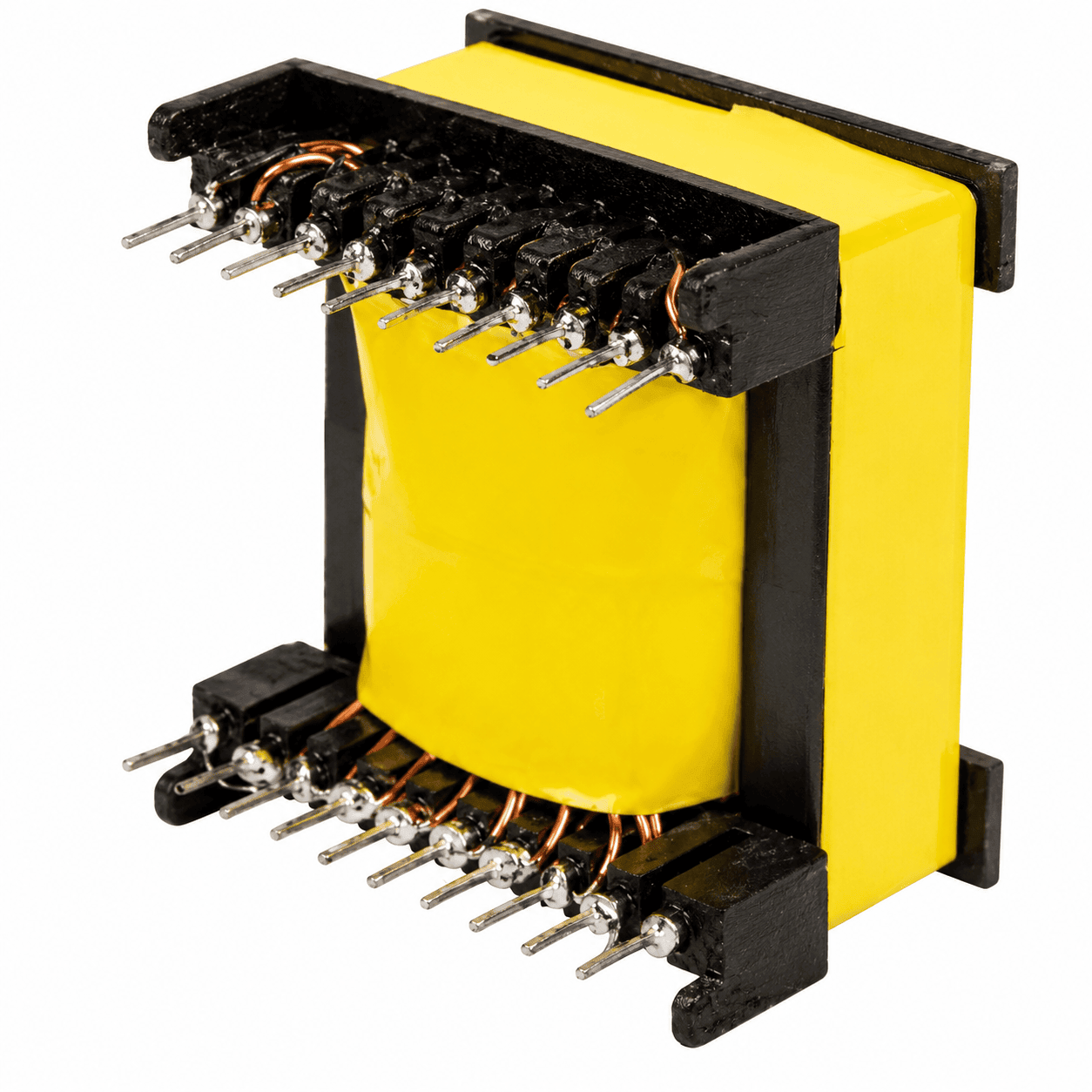
A fraction of a millimetre of air in a ferrite core decides how much current an inductor can carry. This guide explains what the…

A five-step checklist for selecting a common mode choke: electrical ratings, impedance, core and winding, thermal and safety fit, and sample verification.


These products are limited, checkout within

Smart configuration workspace setup.


